Category: Resources

  • How can I prevent mould formation?

    How can I prevent mould formation?


    One of the most common questions we get asked is how to prevent mould formation and whether any sprays can work to achieve this.  While we can certainly prevent mould formation, the areas need to be taken care of regularly to ensure that the mould doesn’t return. It is often said that prevention is better than a cure, and when it comes to mould, this is most certainly the case! 

    Causes of mould formation

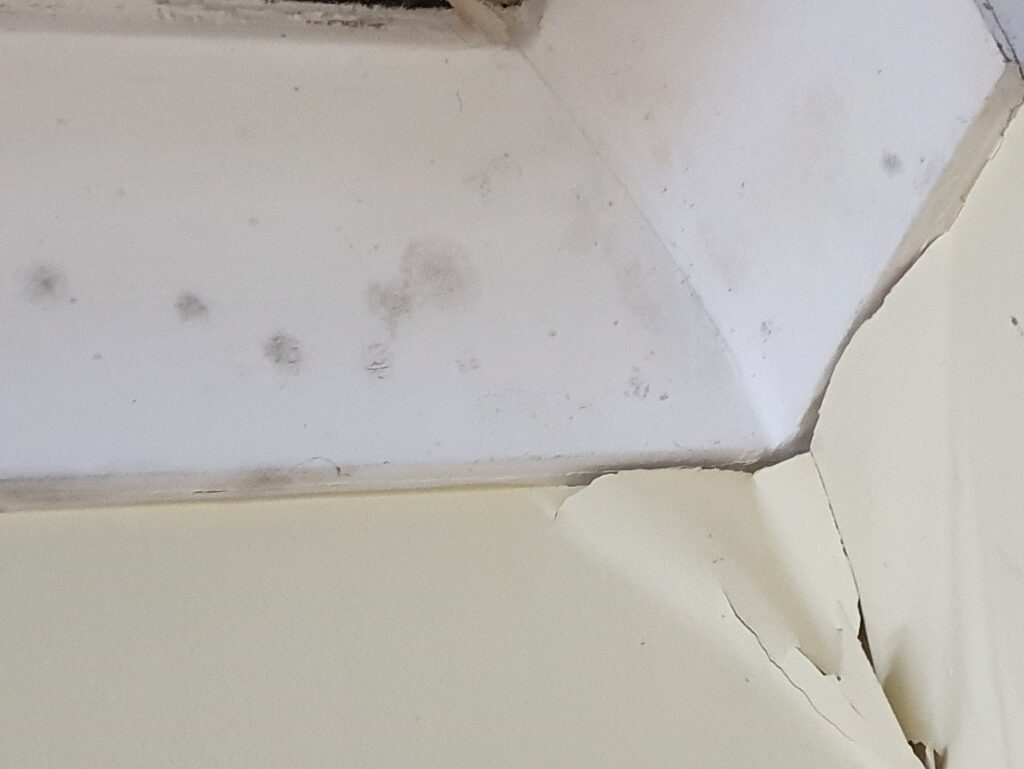
    Before we delve too deeply, let’s take a step back and take a look at what causes mould in the first instance. Mould will occur in a damp environment where there is minimal to no airflow. A lot of homes will suffer mould issues in wardrobes and bathrooms. Wardrobes are ripe for mould formation due to being permanently shut off from fresh air even when windows and doors to the rest of the home are opened. Bathrooms are also prime areas for mould due to a lack of ventilation and insufficient use of an extraction fan whilst the room is full of steam.

    Ventilation and air flow

    The simplest way to prevent mould formation is to ensure adequate airflow, especially in areas that don’t naturally experience it such as wardrobes and cupboards.  The doors should be kept open as often as possible, along with exterior windows.  A fan can be pointed towards the area and a moisture absorbing desiccant (such as Damprid) can be used when the doors are closed.

    Water extraction equipment

    Whilst simple home remedies will be satisfactory for regular moisture levels found in the home, once there is a significant flooding event, specialist treatment and equipment should be used to prevent long-term effects of mould including health issues and damage to property. 

    Mould can occur from a clean water source in as little as 24-48 hours.  Fortunately, most flooding emergencies are from clean water sources, typically caused by burst flexi hoses or hot water systems and can be treated with the installation of water extraction equipment.  There is no need for chemical treatment in these circumstances, provided that drying equipment has been installed early.

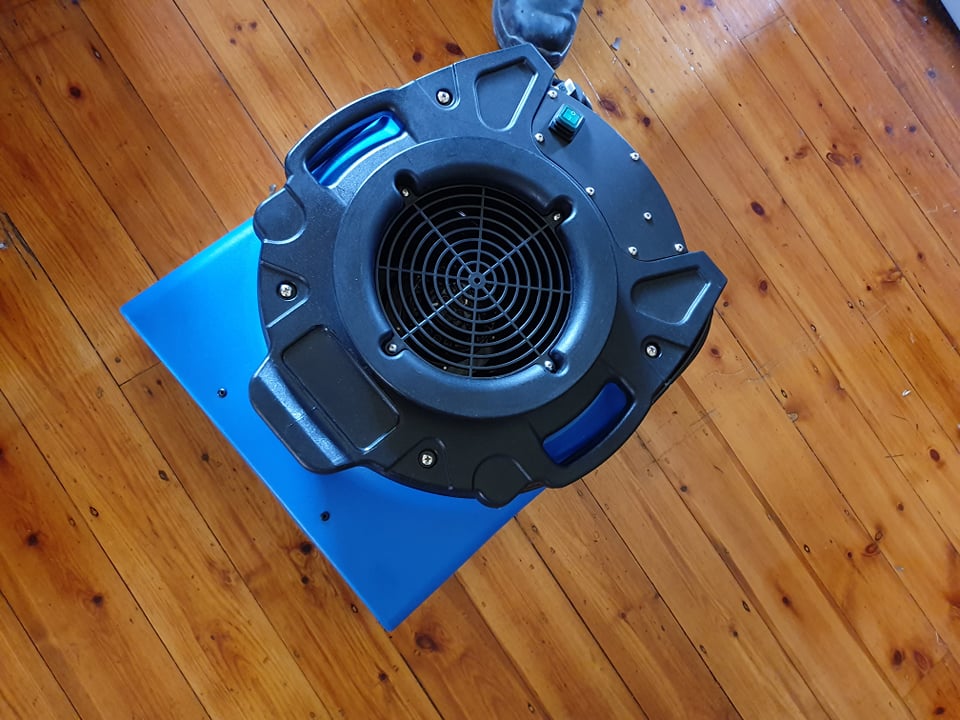
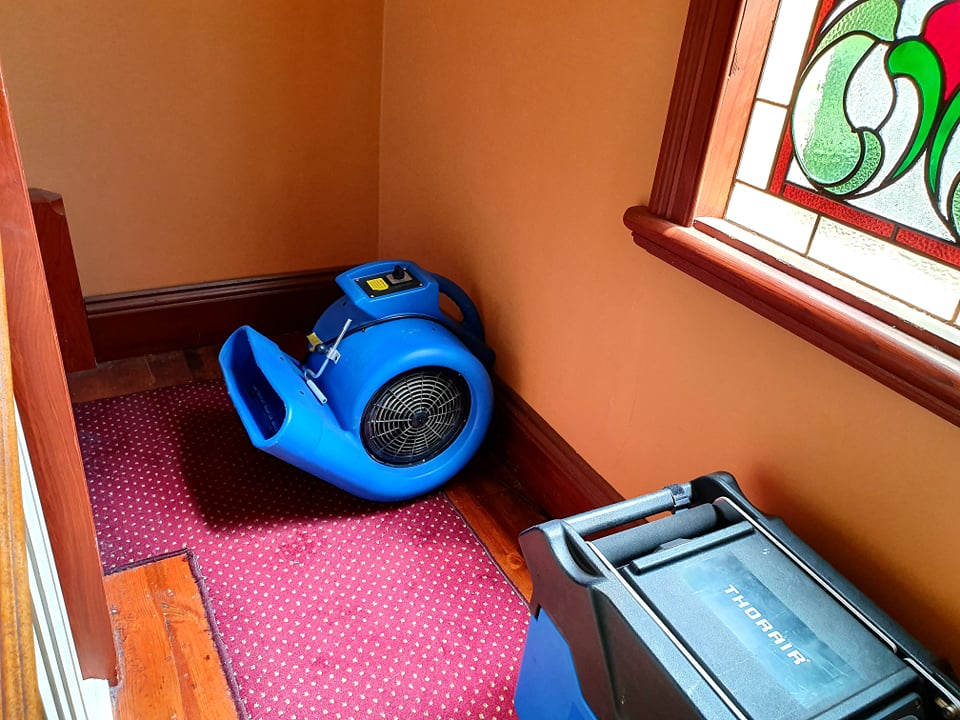
    We have touched on the importance of air movers and dehumidifiers in a previous article. The correct use of these pieces of equipment after extracting the freestanding water will ensure adequate airflow and dehumidification in order to prevent the flooded area from becoming stagnant and developing mould.

    Chemical sprays – High risk water sources

    Medium risk (overflowed laundry and bathtubs) and high risk (rain water and the dreaded sewerage from a blocked drain) require immediate treatment with anti-microbial spray. 

    In medium risk flooding, we may be able to save the floor coverings including carpets which contain bacteria after treatment. In more serious high risk flooding, all floor coverings are removed and disposed of and the remaining area is treated with anti-microbial spray.

    If there is any mould present within these water sources, the antimicrobial will kill the mould spores along with any bacteria present, before beginning the drying process. Once again, promptness is paramount.

    Chemical sprays can be used on mould affected areas to treat mould which has already formed.  However, it is not a preventative measure on its own and needs to be undertaken in conjunction with adequate air flow and dehumidification after the mould is removed.  

    Contact FloodMaster 24/7 for professional help

    The proper techniques in flood restoration of your home or business will also prevent mould from occurring in the first instance.

    In these instances it becomes a great matter of emergency to begin flood restoration as soon as possible. This is why FloodMaster is available 24/7 to assist. Our technicians are IICRC trained, and are familiar with the most efficient way to dry your home or business, and ensure that mould does not become an issue. Call us on 0468 874 368 day or night.
    call us 24/7


    Facebook


    Youtube


    Linkedin


    Instagram

  • The Importance of Air Movers and Dehumidifiers

    The Importance of Air Movers and Dehumidifiers


    Whilst flood restoration can occur with with just air movers, or just dehumidifiers, it is when these two vital pieces of equipment are used in conjunction with each other, that they really show their merits. Let’s take a look at why these two items are so important, and why we will try to use them together whenever possible. Air Movers: As the name suggests, their primary role is to move air around the room or affected area. By having a continuous air flow across all wet surfaces, it promotes moisture to rise out of the surface and into the atmosphere. As this  moisture rises from materials, it promotes further moisture to be pulled out. This now brings us to our next vital piece of equipment. Dehumidifiers: The role of a dehumidifier is to take the moisture from the atmosphere and remove it. In this instance it is to remove it from the flood affected areas. In a perfect world with low humidity, we would be able to simply open a window, and let air movers do the job.Since we don’t live in a perfect world with ideal drying conditions, it becomes paramount to use dehumidifiers in conjunction with air movers, to ensure quick and reliable flood restoration.  FloodMaster is experienced with the correct  amount of air movers and dehumidifiers for all types of restoration.  

    call us 24/7


    Facebook


    Youtube


    Linkedin


    Instagram

  • Structural Drying and How it Works

    Structural Drying and How it Works


    Structural drying. What exactly does this mean?

    Any building, wether it be made of timber, concrete or any other materials, all come together to form the structure, identified as floors, walls and ceiling. Floors often have further coverings such as carpets, floating floors, lino etc. Walls and ceilings usually will have coverings such as paint or wallpaper, often times with insulation.  Whilst the most obvious sign of flooding is a wet floor covering such as carpet for instance, it is also important to ensure that the structure of the building is also dry, which is not always obvious to the naked eye. If the structural drying is not adequately completed, the results will often turn into mould and rot, as well as a future health hazard, along with some very expensive repairs. This why flood restoration involves a lot more than simply opening a window and running a fan until the top layer is visibly dry. Most building materials and structures are porous, meaning that they will absorb moisture, so it is vital to ensure that these materials reach a satisfactory moisture reading before completion of any flood restoration.  Fortunately,  FloodMaster  has the experience and moisture detection  equipment to ensure that structural drying has been achieved to a safe standard.

    call us 24/7


    Facebook


    Youtube


    Linkedin


    Instagram

  • The risks of Magnesite and Concrete Cancer

    The risks of Magnesite and Concrete Cancer


    Let’s talk about magnesite. What is it, and why is it such a problem when wet?

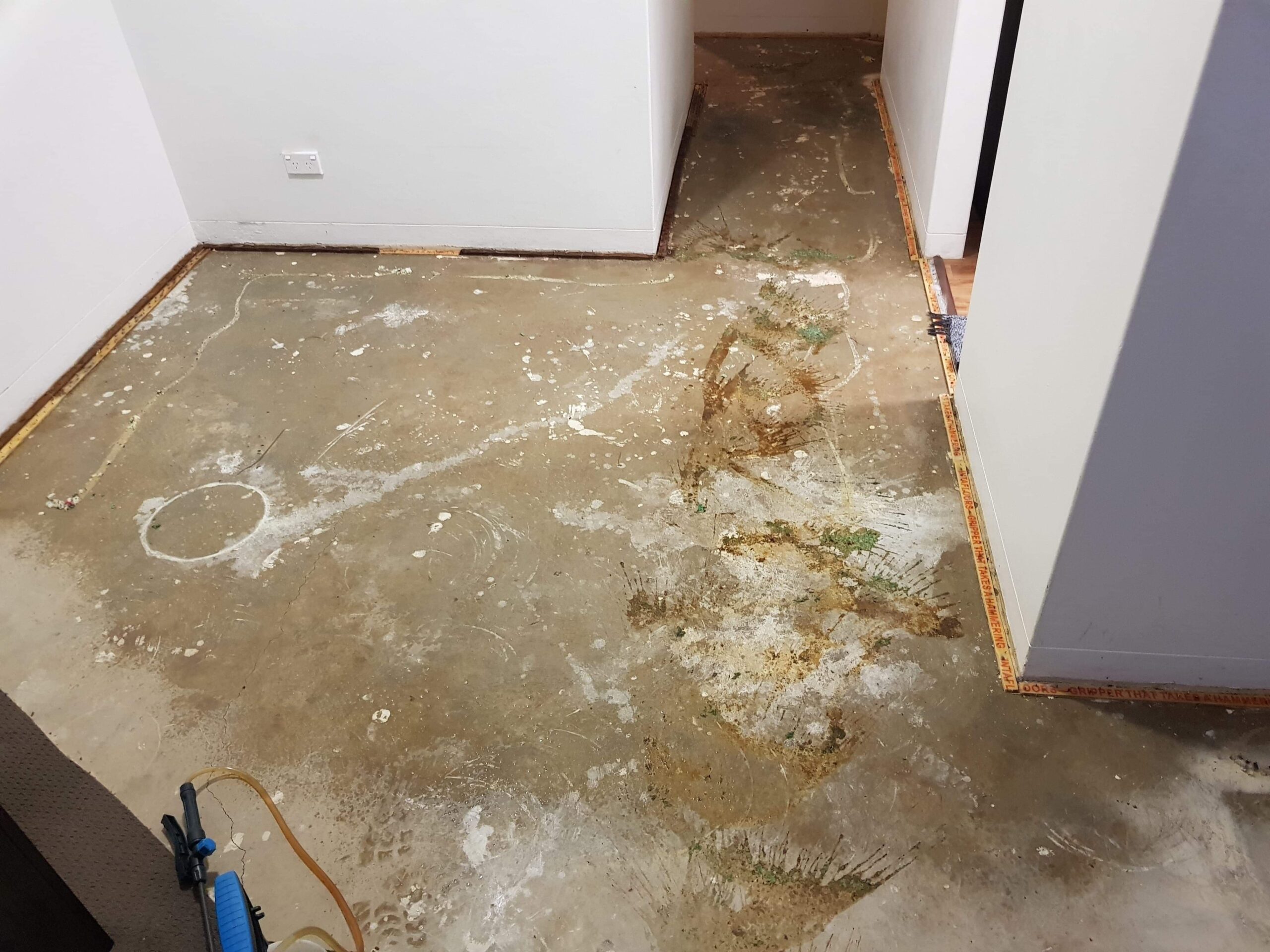
    Magnesite flooring is made of Magnesium Oxychloride. It has been used as a floor leveller, and was predominantly used in a lot of multi storey buildings across Sydney from the early 20 century until the 70’s, which aided the rapid growth and building of these structures. It is often a reddish brown appearance, and is relatively soft and flexible to the touch. Once wet, it often resembles the texture of a cork from an old wine bottle!

    So why is it a problem when it gets wet though? For a start, Magnesite is extremely porous and absorbent. As a result, it will also leech chlorides into the concrete subfloors and any pipework within the slab, as gravity does it’s job and pulls the now contaminated water through the concrete subfloor. This means that the steel reinforcement of the concrete subfloor is at risk of corrosion and concrete cancer, which can cost thousands upon thousands of dollars worth of damage to your building. This is why it is so important that your flood restorer is familiar with this surface, and how to dry it properly.

    Generally speaking, most magnesite can be between half an inch to one and a half inches in thickness. It will hold a lot of water, and the drying process takes a significantly longer time than just a regular concrete subfloor, as not only does the magnesite have to be dried, so too does the subfloor below. The drying process also has a tendency to show up any weak areas of magnesite, which can often present as cracks or separated sections which are not always apparent to the naked eye, but can show up with the implementation of a “drum” test.

    Therefore, it is important that all floor coverings are removed from magnesite, not only for the drying process, but also to be able to expose any weak or damaged areas to be replaced with modern products such as Ardite.

    For anyone living in a magnesite building, it’s always important to ensure that any building managers, strata, or body corporate members are familiar with the seriousness of what water damaged magnesite can present to the structure of the building. It is also recommend that anyone walking on exposed magnesite wear enclosed footwear, as the chlorides can also pose quite the irritant to sensitive skin.

    FloodMaster are available 24/7 and are just a phone call away to assist you with your magnesite building.

    call us 24/7


    Facebook


    Youtube


    Linkedin


    Instagram